
How to Follow Up With Prospects Who Said Yes But Never Booked
The warmest prospects in your pipeline aren't the new ones. They're the people who already said "yes, let's talk" — and then never picked a time.
In LinkedIn outreach, these conversations often stall: the prospect agrees to meet, then goes quiet. It's our responsibility to keep that connection from going stale, which is where follow up nudges come in.
Recovering these stalled conversations is a late-stage example of agentic outbound: the agent reacts to what happened in the thread and chooses the next nudge.
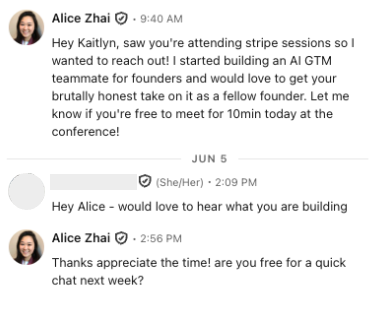
A follow-up cadence that works
Move fast, while the thread is still warm. Follow up within days of the agreement. Waiting over a week lets the intent go cold and forces you to rebuild context they've already forgotten. A fast, low-effort nudge beats a polished message sent late.
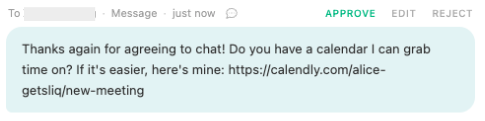
Hand control to them first, calendar link as the fallback. People bristle at "here's my Calendly, pick a slot." Ask for their availability first, then offer your link as the easy option:
Thanks again for agreeing to chat! Do you have a calendar I can grab time on? If it's easier, here's mine: {calendar link}.
Send exactly one more nudge, then stop. If there's still no booking after about three days, send one short, light follow-up — not another re-pitch:
No rush at all — just floating this back up in case it got buried. Same link if a slot works for you: {calendar link}.
After that, let it rest. Chasing a third and fourth time burns a connection that was genuinely warm. One quick nudge and one light follow-up recovers most of the bookings that are recoverable; the rest weren't going to convert anyway.
How to automate meeting follow-up with an AI agent
You don't have to track all of this by hand — scrolling threads for "send me a time," cross-checking your calendar, and remembering who you nudged and when. Sliq can review your LinkedIn conversations, surface every prospect who agreed to meet but never booked, and draft the follow-up for each — timed and held for your review so the voice stays yours. The warm leads you already earned, picked and ready to send.
Delegate this to a Sliq agent ->
Related workflows
- Fix your LinkedIn outreach if meetings are slipping at more than just the booking stage and you want to diagnose the whole funnel
- Personalize LinkedIn messages if you want earlier-stage replies to convert into agreed meetings in the first place
- Warm up prospects before outreach if you want more prospects saying yes at the top of the funnel
- Email sequence best practices
- Browse all GTM plays
Frequently asked questions
Why do prospects agree to a meeting and then never book?
Almost always it's friction and forgetting, not a change of heart. They said yes in a chat thread, got pulled into something else, and the intent quietly expired. There was no calendar link in front of them at the moment they were willing, or the link came with too many steps. The interest was real; the follow-through just never had a clear next action attached to it.
How do I follow up with someone who said yes to a meeting but didn't schedule?
Keep it short and make booking the only thing they have to do. Reference that they already agreed, hand them control first, and include your calendar link as a fallback: "Thanks again — do you have a calendar I can grab time on? If it's easier, here's mine: {calendar link}." If they still haven't booked after about three days, send one more light nudge rather than a long re-pitch. The goal is to remove friction, not to re-sell the meeting.
How long should I wait before following up on an unbooked meeting?
Follow up within a day or two while the conversation is still warm, then again about three days later if there's no booking. Waiting a week lets the intent go cold and forces you to rebuild context. Same-thread, fast, and low-effort beats a polished message sent late.
Is it worth following up on prospects who never booked?
It's some of the highest-leverage outreach you can do. These people already raised their hand, so you skip the hardest part of the funnel — earning interest from a cold contact. The only thing standing between you and the meeting is a missing calendar slot. Recovering even a fraction of agreed-but-unbooked prospects usually beats sending the same effort into new cold outreach.
Last updated: August 2026